
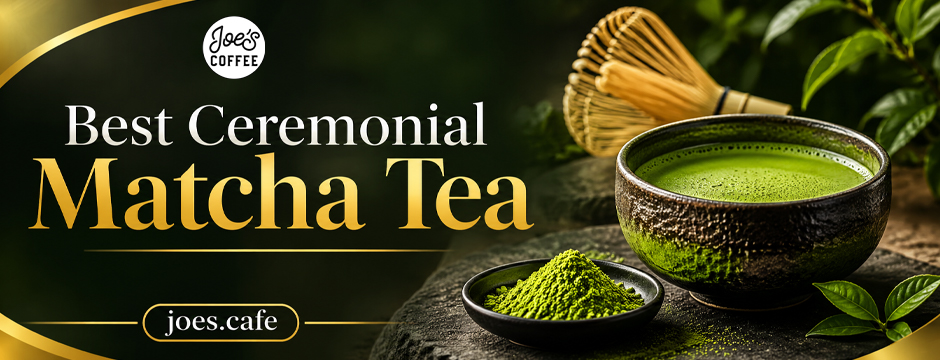
Green tea has a loyal following for good reason. Its fresh taste, gentle bitterness, and comforting warmth make it an everyday favourite. But if you enjoy exploring different tea varieties, matcha deserves a place on your list. The best ceremonial matcha tea offers a smooth texture, vibrant green colour, and distinctive flavour that sets it apart from ordinary brewed green tea.
Matcha also brings something different to your daily tea ritual. You whisk finely ground tea powder directly into water instead of steeping leaves and removing them. The result is a rich, full-bodied drink that you can enjoy traditionally or turn into a creamy latte.
Whether you are a long-time green tea drinker or simply curious about Japanese tea, ceremonial matcha offers plenty of reasons to try something new.

What Makes Ceremonial Matcha Tea Different from Regular Green Tea?
Ceremonial matcha is a finely ground green tea powder traditionally prepared by whisking it with hot water. Unlike regular green tea, which you steep and strain, matcha allows you to consume the entire powdered tea leaf. This creates a distinctive texture, concentrated flavour, and vibrant appearance.
How Is Ceremonial Matcha Made?
The process starts with carefully grown tea plants. Producers shade the plants before harvesting, which encourages chlorophyll production and influences the leaves’ flavour.
After harvesting, producers generally follow these steps:
- Steaming: They steam the fresh leaves to limit oxidation and preserve their green character.
- Drying: They dry the leaves to prepare them for further processing.
- Sorting: They remove stems and veins to produce tencha, the leaf material used for matcha.
- Grinding: They slowly grind the tencha into a fine powder.
The result is matcha with a delicate texture and characteristic vegetal flavour.
What Does High-Quality Matcha Taste Like?
Good ceremonial matcha offers a balance of gentle sweetness, vegetal notes, and umami. Umami describes a pleasant savoury taste that gives the tea depth.
You may notice subtle grassy notes, a creamy mouthfeel, and a mild bitterness. However, flavour varies with the tea’s origin, growing conditions, freshness, and preparation.
Why Should Every Green Tea Lover Try the Best Ceremonial Matcha Tea?
The best ceremonial matcha tea offers a different way to enjoy green tea. Its whole-leaf preparation, distinctive taste, and versatile serving options make it appealing to people who enjoy exploring quality beverages.
1. You Consume the Whole Tea Leaf
Regular green tea releases flavour and soluble compounds into hot water during steeping. Matcha takes a different approach because you drink the finely ground leaves themselves.
As a result, matcha contains naturally occurring compounds such as catechins, caffeine, and L-theanine. Its nutritional profile differs from that of an ordinary cup of brewed green tea.
2. It Offers a Distinctive Caffeine Experience
Matcha naturally contains caffeine, making it an option for people who enjoy tea but want something different from their usual brew.
It also contains L-theanine, an amino acid that researchers study for its relationship with attention and relaxation. However, individual responses vary, and matcha does not guarantee improved concentration or a particular health outcome.
If you are sensitive to caffeine, begin with a smaller serving and avoid drinking matcha close to bedtime.
3. It Turns Tea Drinking into a Simple Ritual
Preparing matcha involves measuring, whisking, and enjoying the finished drink. The process takes only a few minutes, yet it encourages you to slow down and pay attention to what you drink.
You can prepare a small bowl in the morning or make a refreshing matcha latte when you want something different.
How Do You Choose the Best Ceremonial Matcha Tea?
Choosing quality matcha requires more than looking at its colour or price. Check the ingredients, freshness, packaging, origin, and producer information before buying. These details help you avoid stale powder and products that contain unnecessary additives.
1. Check the Colour and Texture
Fresh, good-quality matcha generally has a vibrant green appearance and a fine, smooth texture. Dull or yellowish powder may indicate ageing, oxidation, or poor storage.
However, colour alone cannot prove quality. Consider the aroma, taste, and product details as well.
2. Read the Ingredient List
Choose matcha that contains 100% pure green tea powder. Avoid products with added sugar, artificial flavours, or unnecessary fillers if you want an authentic matcha experience.
Also, check whether the seller clearly identifies the product as ceremonial grade. Keep in mind that matcha grading does not follow one universal industry standard, so the label alone cannot guarantee quality.
3. Check the Origin and Packaging
Japan has several well-known matcha-producing regions, including Uji, Nishio, and Kagoshima. Each region has its own tea-growing traditions, although origin alone does not determine the final quality.
Look for clear sourcing information and airtight, light-protective packaging. Matcha reacts to air, light, heat, and moisture, so proper storage plays an important role in preserving freshness.
How Do You Prepare Ceremonial Matcha at Home?
You can prepare traditional matcha with just a bowl, hot water, and a whisk. The key is to use water below boiling temperature, remove powder lumps, and whisk thoroughly until the drink develops a light foam.
What You’ll Need
- 1–2 grams of ceremonial matcha
- 60–70 ml of hot water
- A matcha bowl or small mixing bowl
- A bamboo whisk (chasen) or small handheld whisk
- A fine-mesh sieve
Step-by-Step Preparation
- Sift the powder: Add the matcha to a bowl through a fine-mesh sieve to remove lumps.
- Heat the water: Use water at approximately 70–80°C rather than boiling water.
- Add water: Pour around 60–70 ml over the sifted powder.
- Whisk thoroughly: Move the whisk quickly in a W-shaped motion until a fine layer of foam appears.
- Serve immediately: Enjoy the tea while its flavour and texture remain fresh.
Avoid using boiling water because excessive heat can bring out harsh bitterness. Also, drink your matcha soon after preparation rather than allowing the powder to settle.
Matcha Latte vs. Traditional Matcha: Which Should You Try?
Traditional matcha highlights the tea’s natural flavour, while a matcha latte combines its distinctive taste with creamy milk. Both options offer enjoyable ways to explore matcha, so your choice depends on your preference for a pure or milk-based drink.
Traditional Matcha
Best for appreciating natural vegetal notes, umami, and the tea’s original character.
Matcha Latte
Best for people who enjoy a smoother, creamier drink with milk.
For a matcha latte, whisk the powder with a little hot water first. Then add steamed milk to create a smooth drink. Dairy milk, oat milk, almond milk, and coconut milk all offer different flavour profiles.
You can also ask your café barista about the matcha powder and preparation method. A good latte should retain the tea’s character rather than bury it under excessive sweetener.
Can You Enjoy Matcha and Coffee Together?
Absolutely! Matcha and coffee offer different flavours, aromas, and drinking experiences. You don’t need to choose one permanently. You can enjoy coffee when you crave roasted, bold flavours and reach for matcha when you want a fresh, vegetal alternative.
Someone searching for the best tasting organic coffee may appreciate its rich aroma and familiar roasted notes. However, matcha offers a different experience through its delicate umami and finely ground tea leaves.
A café with a varied beverage menu makes exploring both options easier. If you enjoy finding the best tasting organic coffee, you may also appreciate a carefully prepared matcha latte alongside your regular coffee order.
The same curiosity that leads you to explore the best tasting organic coffee can help you discover new tea varieties, brewing methods, and flavour combinations.
What Mistakes Should You Avoid When Preparing Matcha?
Even premium matcha can taste disappointing if you handle it incorrectly. A few simple precautions help preserve its flavour, texture, and freshness.
- Using boiling water: Excessive heat can make the tea taste harsh.
- Skipping the sieve: Undissolved lumps can affect the texture.
- Buying oversized packs: Matcha gradually loses freshness after opening.
- Adding too much sweetener: Excess sugar can overpower its natural flavour.
- Storing it incorrectly: Heat, light, air, and moisture can affect quality.
After opening, keep matcha in an airtight container in a cool, dry place. Follow the manufacturer’s storage instructions and avoid leaving the powder exposed to air.
Discover Quality Organic Tea and Coffee at Joes Cafe
Looking for the best ceremonial matcha tea and freshly crafted beverages? Joes Cafe brings together quality, flavour, and a welcoming hometown atmosphere. Enjoy organic teas and coffees sourced from around the world, freshly brewed by certified baristas in Michigan. From refreshing matcha lattes and specialty espresso drinks to locally sourced baked goods and freshly prepared sandwiches, every visit offers something enjoyable. Whether you’re a dedicated tea enthusiast or coffee lover, Joes Cafe makes every sip worth savouring.

Final Thoughts: Is Ceremonial Matcha Worth Trying?
The best ceremonial matcha tea gives green tea lovers a fresh way to enjoy their favourite beverage. Its vibrant appearance, fine texture, distinctive umami, and simple preparation make it an appealing addition to everyday tea routines.
The secret lies in choosing fresh, pure matcha and preparing it with care. Whether you prefer a traditional bowl or a creamy latte, take time to explore different flavours and find what suits your taste.
If you enjoy discovering quality beverages, visit Joes Cafe to explore organic teas, freshly prepared specialty drinks, and barista-crafted coffee in a welcoming café setting.
Frequently Asked Questions
Is ceremonial matcha better than regular matcha?
Ceremonial matcha generally targets traditional whisked tea preparation and often offers a smoother, more delicate flavour. Other matcha grades may suit cooking, baking, and milk-based drinks. However, grading terms vary between producers.
Can you drink ceremonial matcha every day?
Many people enjoy matcha daily. However, it contains caffeine, so consider your overall caffeine intake and personal sensitivity. Start with a small serving if you are new to it.
Should you add sugar to ceremonial matcha?
You don’t need sugar to enjoy ceremonial matcha. Its natural flavour includes vegetal, slightly sweet, and savoury notes. However, you can add a little sweetener if you prefer a sweeter drink.
Can you use ceremonial matcha for lattes?
Yes. You can prepare ceremonial matcha with a little hot water and combine it with steamed milk. This creates a creamy drink while retaining much of the tea’s distinctive flavour.